Understanding the Role of Walls in Soil Conservation
Soil erosion is a significant problem that affects many landscapes, especially in areas prone to heavy rainfall or wind. This natural process involves the removal of topsoil, which can lead to reduced agricultural productivity, water pollution, and loss of land value. One effective solution to combat soil erosion is the use of retaining walls. These structures are specifically designed to hold back soil and prevent it from eroding away. By understanding how retaining walls work, you can see why they are essential for maintaining healthy landscapes.
Benefits of Using Strong Barriers for Soil Control
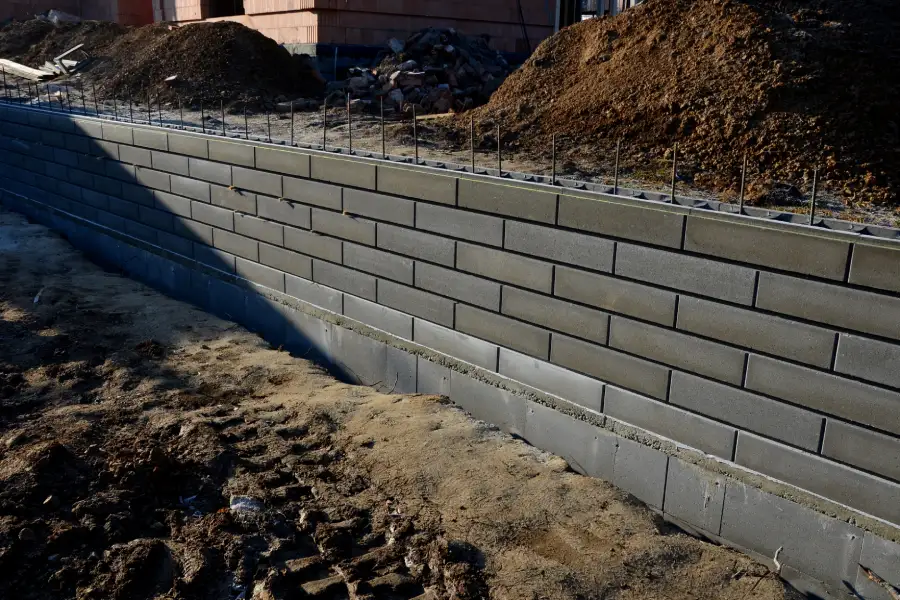
The benefits of using retaining wall installation are numerous. Firstly, these barriers help stabilize slopes, preventing landslides and soil movement. They also protect your property by reducing the risk of foundation damage caused by shifting soils. Additionally, retaining walls can improve drainage on your land by directing water flow, thus minimizing erosion potential. Finally, they add aesthetic value to your property, creating terraces that can be landscaped with plants and flowers.
Avoiding Common Issues With Erosion Prevention Structures
Despite their advantages, there are challenges associated with retaining wall installation. Poor construction practices can lead to wall failure, which may result in more severe erosion problems. Inadequate drainage behind the walls can cause water pressure build-up, pushing the wall outward and leading to collapse. It’s crucial to address these issues during planning and construction to ensure long-term effectiveness and stability.
Step-by-Step Guide to Protecting Your Landscape
To effectively prevent soil erosion with retaining walls, follow these steps:
- Assess your landscape to determine areas most susceptible to erosion.
- Choose the right type of wall material based on climate and soil conditions.
- Ensure proper drainage systems are installed behind the wall.
- Regularly inspect and maintain your wall for signs of damage or wear.
Best Practices for Building Long-Lasting Walls
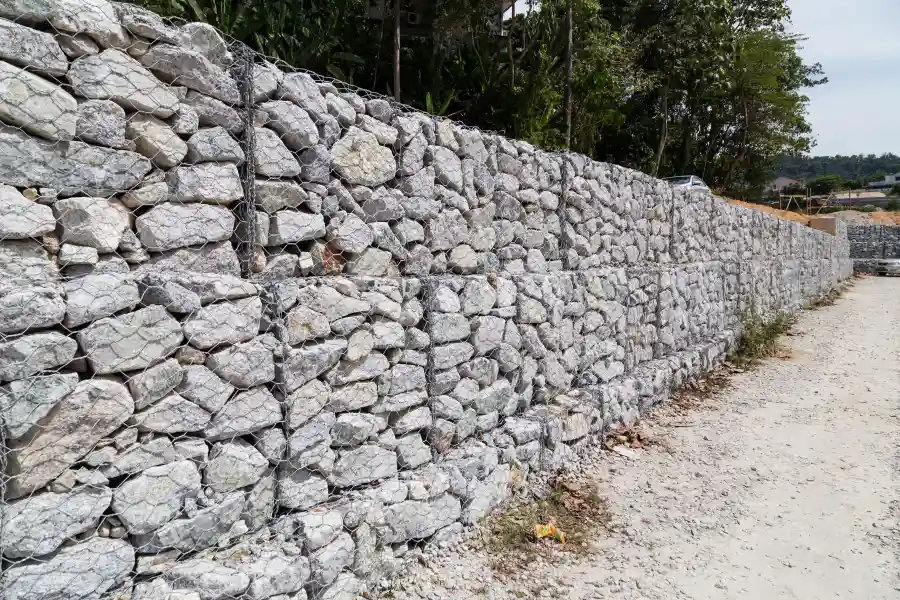
Building a durable retaining structure requires following industry best practices. Start by selecting quality materials like concrete blocks or stone, known for their strength and longevity. Ensure that the base of the wall is solid, compacted, and level to prevent shifting over time. Incorporate adequate drainage solutions such as gravel backfill and perforated pipes to manage water flow effectively. These practices will enhance the lifespan and functionality of your barrier system.
Adhering to Quality Standards in Construction
When constructing retaining walls, adhering to local building codes and regulations is vital. These standards ensure that your wall is safe and capable of withstanding environmental pressures. Professional contractors understand these requirements and can guide you through compliance processes. Moreover, using certified materials guarantees that your wall meets safety and durability criteria set by industry standards.
Considering Financial Aspects of Erosion Solutions
The cost of installing retaining walls varies depending on materials, size, and labor involved. While upfront expenses may seem high, investing in quality construction offers long-term savings by preventing costly damage from erosion. Compare different options and assess their return on investment based on your property’s needs. Remember, professional installation ensures optimal performance and reduces maintenance costs over time.
Final Thoughts on Securing Your Land With Barriers
Retaining walls offer an efficient way to prevent soil erosion while enhancing the beauty and value of your property. By choosing Rock Property LLC for your project needs, you gain access to expert advice and superior workmanship. Our team provides service throughout Little Rock, AR, ensuring every installation meets high-quality standards. For a consultation or more information about our services, call us at (501) 563-4694. Secure your landscape today with our reliable solutions.